The Business Case for Upgrading Your Trailer Suspensions in 202
December 23, 2025
As fleets look ahead to 2026, one thing is clear: margins are tight, expectations are high, and downtime is more expensive than ever. Fuel costs fluctuate, regulations continue to evolve, and customers demand faster, more reliable deliveries. In this environment, every equipment decision matters — especially the ones that impact daily operations.
Trailer suspensions may not always be top of mind during budget planning, but they should be. An aging or mismatched suspension system can quietly drain profits through higher maintenance costs, premature tire wear, compliance issues, and lost productivity. On the flip side, upgrading your trailer suspensions can deliver measurable returns across your entire operation.
If you’re planning capital investments for 2026, here’s why upgrading your trailer suspensions is a smart business move — not just a maintenance decision.
Operating Costs Are Too High to Ignore Aging Equipment
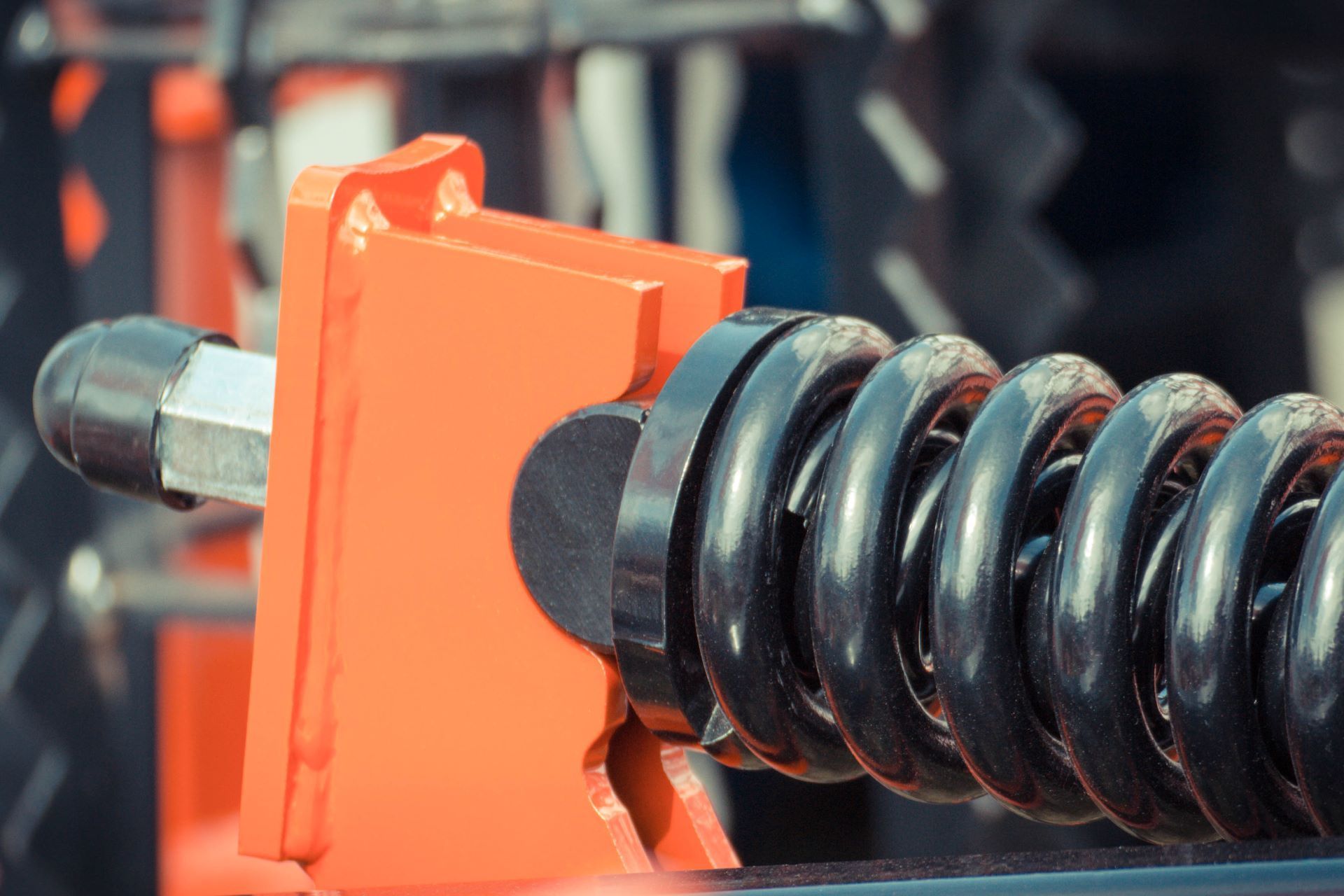
Suspensions take a beating every mile your trailers travel. Over time, even well-maintained systems lose efficiency. Bushings wear down, alignment drifts, and components fatigue — all of which increase operating costs.
Older suspension systems often lead to:
- Uneven and accelerated tire wear
- Higher fuel consumption due to poor alignment
- More frequent repairs and emergency service calls
- Increased stress on axles, brakes, and frames
While these costs may show up gradually, they add up quickly across a fleet. Upgrading to a modern suspension system helps reset the clock, giving you tighter tolerances, improved load balance, and lower day-to-day expenses.
In many cases, fleets see the savings from reduced maintenance and tire replacement begin almost immediately after an upgrade.
Downtime Is More Expensive Than Ever
In today’s freight environment, downtime doesn’t just hurt — it compounds. A single out-of-service trailer can disrupt schedules, impact driver utilization, and strain customer relationships.
Older suspensions are a common source of unexpected downtime. Failures rarely happen at convenient times, and emergency repairs cost significantly more than planned maintenance.
Modern suspension systems are designed with:
- Improved durability and longer service intervals
- Easier access for maintenance and inspections
- Components engineered to handle today’s heavier and more frequent loads
By upgrading suspensions proactively, fleets can shift from reactive repairs to predictable, scheduled maintenance, keeping trailers on the road and revenue flowing.
Fuel Efficiency and Tire Wear Still Matter
Fuel and tires remain two of the largest controllable expenses in fleet operations. Suspension systems play a bigger role in both than many realize.
A well-designed suspension maintains proper ride height and axle alignment, reducing rolling resistance and tire scrub. Poor suspension geometry, on the other hand, can quietly burn fuel and destroy tires long before their expected lifespan.
Upgrading to newer suspension technology can help fleets:
- Improve fuel efficiency through better load balance
- Extend tire life with consistent contact and wear patterns
- Reduce alignment-related maintenance
When multiplied across dozens — or hundreds — of trailers, even small efficiency gains translate into meaningful cost savings over the course of a year.
Compliance and Safety Risks Are Only Increasing
Regulatory scrutiny isn’t easing up. Weight compliance, braking performance, and overall equipment safety continue to be top priorities for enforcement agencies.
Suspensions that are worn or poorly matched to a trailer’s application can cause uneven axle loads, increasing the risk of overweight violations or out-of-service orders. These issues don’t just result in fines — they can damage CSA scores and jeopardize contracts.
Upgrading suspensions allows fleets to:
- Improve weight distribution and axle compliance
- Enhance braking stability and trailer control
- Reduce liability exposure tied to equipment failures
In short, newer suspension systems help fleets stay compliant, safer, and more competitive in a demanding regulatory environment.
Driver Comfort and Retention Can’t Be Overlooked
Driver shortages remain a challenge, and equipment quality plays a bigger role in retention than ever before. Drivers notice how equipment rides — especially on long hauls or rough routes.
Suspensions that deliver smoother rides reduce fatigue, improve handling, and make trailers safer and easier to pull. Air ride systems, in particular, offer significant benefits for driver comfort and cargo protection.
Upgrading suspensions shows drivers that you’re investing in equipment that supports their safety and comfort.
That investment can pay off through:
- Higher driver satisfaction
- Fewer fatigue-related incidents
- Improved retention and recruitment
In a competitive labor market, these advantages matter.
Custom-Engineered Suspensions Deliver the Best ROI
Not every fleet operates the same way — so why rely on a one-size-fits-all suspension? As fleets plan for 2026, many are moving away from generic solutions and toward custom-engineered suspensions designed for their specific needs.
Custom solutions take into account:
- Load types and weight ranges
- Route conditions and terrain
- Operating environments and duty cycles
By engineering suspensions around real-world use,fleets can maximize durability, efficiency, and uptime. The result is a lower total cost of ownership and stronger long-term ROI compared to off-the-shelf systems.
This approach ensures you’re not overbuilding where you don’t need to — or underbuilding where it matters most.
Upgrading Now Helps You Plan, Not React
One of the strongest business cases for upgrading trailer suspensions is timing. Waiting until failures occur forces fleets into reactive decisions, rushed purchases, and higher costs.
Planning upgrades as part of your 2026 strategy allows you to:
- Budget more effectively
- Schedule installations to minimize downtime
- Choose the right suspension solution without pressure
Proactive upgrades put you in control — and that control translates into smoother operations and better financial outcomes.
Keep Your Fleet Ready With Cush Suspensions
Upgrading your trailer suspensions isn’t just a maintenance task — it’s a strategic investment in your fleet’s future. As 2026 approaches, fleets that prioritize efficiency, uptime, safety, and ROI will be the ones best positioned to succeed.
From reducing operating costs and downtime to improving compliance and driver satisfaction, modern suspension systems deliver value far beyond their initial price tag. And when those systems are custom-engineered to your operation, the return only grows stronger over time.
At Cush Suspensions, we help fleets prepare for what’s next by designing and building suspension systems that work the way your business works. Whether you’re upgrading a few trailers or planning a fleet-wide investment, our team is ready to help you make the most of 2026 and beyond.
Ready to start planning smarter suspension upgrades?
Contact Cush Suspensions today and let’s build a solution that keeps your fleet moving forward.