Load Handling & Ride Dynamics — What Happens Inside Your Suspension
January 27, 2026
When a fully loaded trailer rolls down the highway, the suspension system is doing far more than smoothing out the ride. Every bump, turn, stop, and acceleration creates forces that shift weight, stress components, and test the vehicle’s ability to stay stable and controlled. How well a suspension manages these forces determines not only ride comfort, but also safety, durability, and long-term operating costs.
Understanding load handling and ride dynamics helps fleet operators, manufacturers, and maintenance teams make better decisions about suspension selection and maintenance. Let’s take a closer look at what’s happening inside a heavy-duty suspension system and why it matters.
The Job of a Heavy-Duty Suspension System
At its core, a suspension system has four primary responsibilities:
- Support the weight of the vehicle and its cargo
- Absorb shocks from road irregularities
- Keep tires in consistent contact with the road
- Protect the chassis, axles, and cargo from excessive stress
While static load — the vehicle’s weight when parked — is easy to measure, real challenges occur once the vehicle is in motion. Dynamic loads are constantly changing as the truck accelerates, brakes, corners, and travels over uneven surfaces.
Without proper suspension control, these dynamic forces can lead to premature component wear, uneven tire loading, increased driver fatigue, and structural damage to trailers and frames. A well-designed suspension manages these forces efficiently, allowing the vehicle to perform predictably and reliably in real-world conditions.
Understanding Load Transfer & Weight Distribution
Load transfer occurs any time a vehicle changes speed or direction. During acceleration, weight shifts rearward. When braking, it moves forward. In cornering situations, weight transfers laterally from one side of the vehicle to the other.
A suspension system must manage these shifts without allowing excessive movement or instability. Poor weight distribution can reduce braking efficiency, increase tire scrub, and compromise handling. It can also overload individual axles, leading to accelerated wear and potential compliance issues.
Suspension geometry plays a critical role here. The positioning of axles, control arms, and linkages determines how forces are distributed across the vehicle. Properly engineered geometry ensures loads are shared evenly, keeping the vehicle stable and predictable under varying conditions.
Key Components That Control Ride Dynamics
Ride dynamics are influenced by several interconnected suspension components, each playing a specific role.
Springs: Air Ride & Mechanical Systems
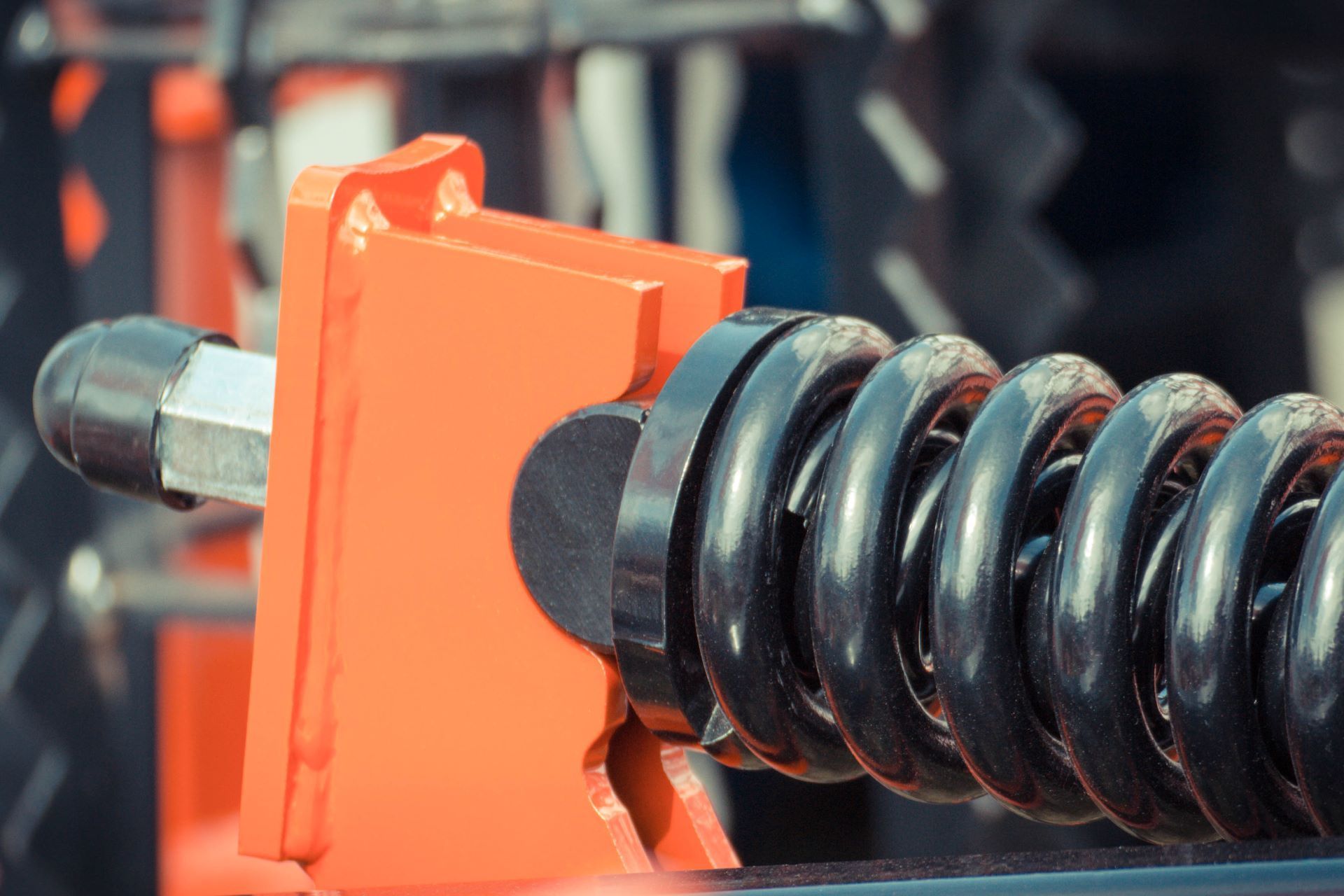
Springs are responsible for supporting the vehicle’s weight and absorbing energy from road impacts. Mechanical leaf springs provide a simple, durable solution for many heavy-duty applications, offering consistent load support under demanding conditions.
Air springs, on the other hand, adapt to changing loads by adjusting air pressure. This allows for improved ride quality, better load leveling, and reduced stress on the chassis and cargo. In variable load applications, air ride systems offer significant advantages in managing dynamic forces.
Shock Absorbers
While springs absorb energy, shock absorbers control how quickly that energy is released. Without proper damping, a vehicle would continue to bounce long after hitting a bump. Shocks regulate suspension movement, keeping tires planted and preventing excessive oscillation.
In heavy-duty applications, high-quality shock absorbers are essential for maintaining control under load, especially during braking and cornering.
Torque Rods, Control Arms & Bushings
These components maintain axle alignment and control movement under acceleration and braking. They manage longitudinal and lateral forces, preventing axle walk and reducing unwanted vibrations.
Bushings play a critical role by absorbing minor movements and isolating noise, vibration, and harshness. When properly engineered, these components reduce wear and improve overall ride stability.
How Suspension Design Affects Ride Quality
Ride quality isn’t just about softness — it’s about control. A suspension that’s too stiff may transmit excessive vibration to the chassis and cargo, while one that’s too soft can allow excessive movement and instability.
Well-tuned suspension systems strike a balance between comfort and durability. Proper spring rates, damping characteristics, and geometry work together to absorb impacts while maintaining control. This balance improves driver comfort, protects sensitive cargo, and reduces fatigue on structural components.
In heavy-duty applications, the right suspension design can dramatically improve how a vehicle behaves under load, especially in challenging road conditions.
Real-World Conditions That Stress Suspension Systems
Suspension systems operate in far from ideal environments. Uneven loads, shifting cargo, rough roads, construction sites, and frequent stops all place additional stress on components.
Environmental factors such as extreme temperatures, moisture, road debris, and corrosion further accelerate wear. Vehicles operating in off-highway or mixed-use conditions face even greater challenges.
This is where engineered-to-order suspension solutions provide a major advantage. Systems designed for specific load profiles and duty cycles perform more reliably than one-size-fits-all designs, reducing failures and extending service life.
Why Proper Load Handling Reduces Total Cost of Ownership
Effective load handling directly impacts operating costs. When suspension systems manage forces correctly, components last longer, tires wear more evenly, and frames experience less fatigue.
Improved ride dynamics also contribute to better fuel efficiency by maintaining consistent tire contact with the road. Reduced vibration and shock lower the likelihood of cargo damage and decrease maintenance downtime.
Over time, these benefits add up — lowering total cost of ownership and improving overall fleet reliability.
How Cush Designs for Load Control & Ride Dynamics
At Cush, suspension design starts with understanding how a vehicle is actually used. Load requirements, duty cycles, operating environments, and performance expectations all influence the final design.
Rather than relying on generic solutions, Cush engineers tailored suspension systems to match real-world demands. Whether through custom air ride systems or robust mechanical suspensions, each solution is optimized for load control, ride dynamics, and long-term durability.
This engineering-first approach ensures suspension systems deliver consistent performance mile after mile, even in demanding conditions.
Suspension Is More Than Ride Comfort
Suspension systems are critical performance components that affect safety, efficiency, and durability. By managing load handling and ride dynamics effectively, a properly designed suspension protects vehicles, cargo, and drivers while reducing long-term costs.
If your current suspension isn’t optimized for how your equipment operates, it may be costing more than you realize. Cush Suspensions delivers engineered solutions designed to perform where it matters most — on the road and on the job.