How Heavy-Duty Suspension Systems Work & Why They Matter
February 18, 2026
Understanding the Backbone of Your Trailer: What a Heavy-Duty Suspension System Actually Does
When most people think about trailer performance, they think about engines, brakes, or tires. But underneath every reliable trailer is a component doing some of the hardest work on the road: the heavy-duty suspension system.
A suspension system connects the trailer frame to its axles and wheels. Its job is to absorb road shock, distribute weight evenly, maintain proper alignment, and keep the trailer stable under load. Without a properly functioning suspension system, even the most powerful truck or well-built trailer will struggle with performance, safety, and longevity.
For fleets operating in demanding conditions like long-haul routes, construction sites, or variable load applications, heavy-duty suspension systems are not optional. They are essential.
The Core Components of a Heavy-Duty Trailer Suspension System
To understand how heavy-duty suspension systems work, it helps to break down the primary components involved:
- Springs (Air or Mechanical): Absorb road shock and support trailer weight.
- Axles: Carry the load and transfer forces from the road.
- Bushings & Hangers: Allow controlled movement while maintaining stability.
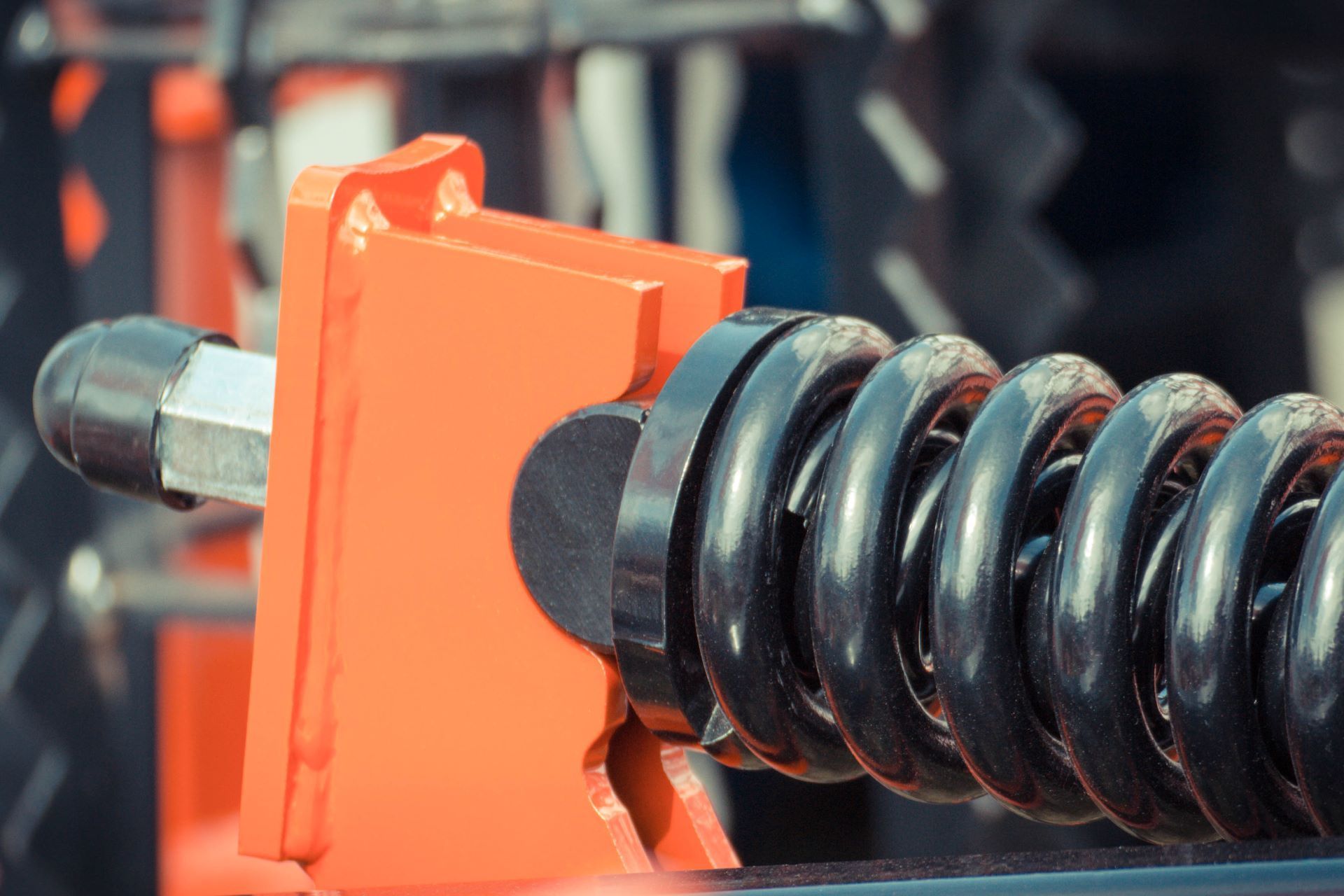
- Shock Absorbers (in air systems): Dampen vibration and prevent excessive bouncing.
- Lift Axles or Sliders (when equipped): Adjust load distribution and axle spacing.
In heavy-duty applications, these components are reinforced and engineered to handle significant stress, repeated impacts, and heavy payloads without premature wear.
The key difference between light-duty and heavy-duty systems isn’t just size — it’s durability, load capacity, and engineering precision.
Air Ride vs. Mechanical: How Different Heavy-Duty Suspension Types Operate
There are two primary types of heavy-duty trailer suspension systems: air ride suspensions and mechanical (leaf spring) suspensions. Each works differently but serves the same fundamental purpose — stability and load control.
Air Ride Suspension Systems
Air ride suspensions use compressed air within rubber air bags to support the trailer load. An onboard air system adjusts pressure to maintain consistent ride height and load balance.
How they work:
- Air bags inflate or deflate based on load weight.
- Sensors and valves maintain proper ride height.
- Shock absorbers control bounce and vibration.
Why they matter:
- Improved ride quality
- Reduced cargo damage
- Better tire wear patterns
- Enhanced driver comfort
Air ride systems are especially valuable for long-haul fleets or those transporting sensitive or high-value freight.
Mechanical Leaf Spring Suspension Systems
Mechanical systems use stacked steel leaf springs to absorb shock and support weight. They are simpler in design and highly durable.
How they work:
- Steel leaf springs flex under load.
- The spring absorbs impact from road irregularities.
- Energy is distributed across the axle system.
Why they matter:
- Proven durability
- Lower upfront cost
- Ideal for rugged or off-road environments
- Minimal air system maintenance
For vocational, construction, or heavy-duty work environments, mechanical systems remain a dependable choice.
How Heavy-Duty Suspensions Protect Your Bottom Line
Heavy-duty suspension systems don’t just improve ride quality — they directly impact operational efficiency and cost control.
Here’s how:
1. Reduced Tire Wear
Proper weight distribution prevents uneven tread wear. Misalignment or poor load balance can destroy tires prematurely — one of the largest operating expenses for fleets.
2. Improved Fuel Efficiency
When axles stay aligned and ride height remains consistent, rolling resistance decreases. That translates to better fuel economy over thousands of miles.
3. Lower Maintenance Costs
A well-designed suspension reduces stress on brakes, frames, and axles. Less stress means fewer breakdowns and longer component life.
4. Minimized Downtime
Stronger components and better load management reduce unexpected failures — keeping trailers on the road instead of in the shop.
Over time, these benefits deliver measurable ROI — especially for fleets operating multiple trailers.
Why Suspension Engineering Matters More Than Ever
Modern freight demands are increasing. Trailers are carrying heavier loads, running longer routes, and operating in more challenging conditions than ever before.
A poorly matched suspension system can cause:
- Axle overload violations
- Frame fatigue
- Brake instability
- Uneven weight distribution
- Increased liability exposure
Heavy-duty suspension systems must be engineered with precision to meet today’s standards for safety and compliance.
That’s where engineered-to-order suspension systems make a difference. Instead of forcing a generic design onto every trailer, customized heavy-duty suspensions are built around:
- Load capacity requirements
- Route conditions
- Environmental factors (road salt, heat, off-road use)
- Regulatory weight limits
The result is improved compliance, better handling, and a longer-lasting trailer.
The Long-Term Value of Investing in the Right Heavy-Duty Suspension
When evaluating suspension systems, it’s easy to focus on upfront cost. But fleets that think long-term understand that the right heavy-duty suspension system is an investment.
A properly engineered suspension can:
- Extend trailer lifespan
- Increase resale value
- Reduce annual operating expenses
- Improve driver satisfaction
- Strengthen customer reliability
In contrast, an underbuilt or mismatched system may cost less initially — but can lead to thousands of dollars in hidden costs over time.
Heavy-duty suspensions aren’t just components. They are performance systems that support every mile your fleet travels.
Choosing a Heavy-Duty Suspension Partner You Can Trust
Not all heavy-duty suspension systems are built the same — and not all manufacturers take the time to understand your fleet’s unique demands.
Working with a suspension partner who prioritizes engineering, durability, and long-term performance ensures you’re investing in a system designed to work for your operation — not just a standard configuration pulled from inventory.
At Cush Suspensions, we design heavy-duty suspension systems that prioritize uptime, safety, and efficiency. Whether you need air ride, mechanical, lift axle, or fully engineered-to-order solutions, our team builds systems that work as hard as your fleet does.
When engineered correctly, they don’t just support your trailer — they support your profitability.
If you’re evaluating suspension options or planning future upgrades, understanding how heavy-duty systems work is the first step toward making a smarter, more strategic investment.
Contact us today!